Scope of Work
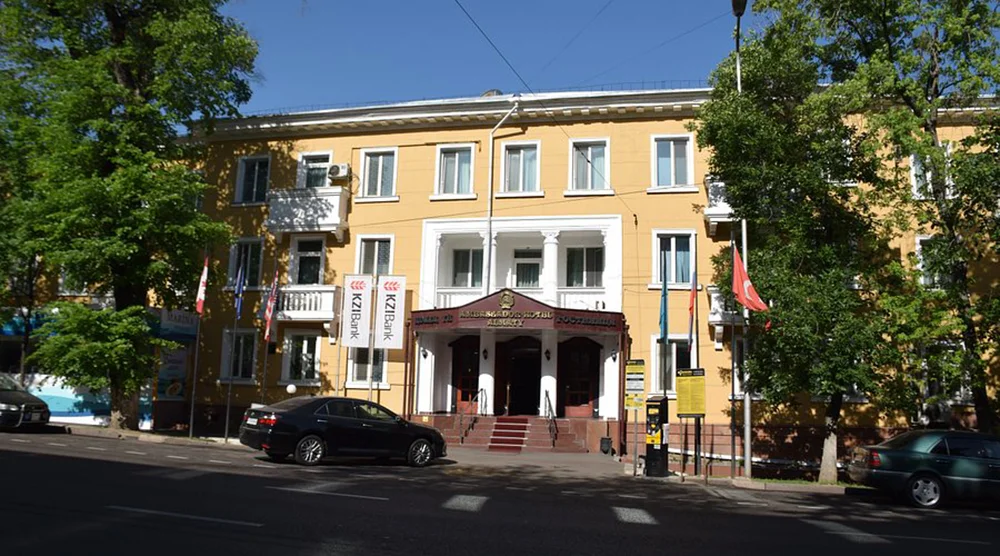
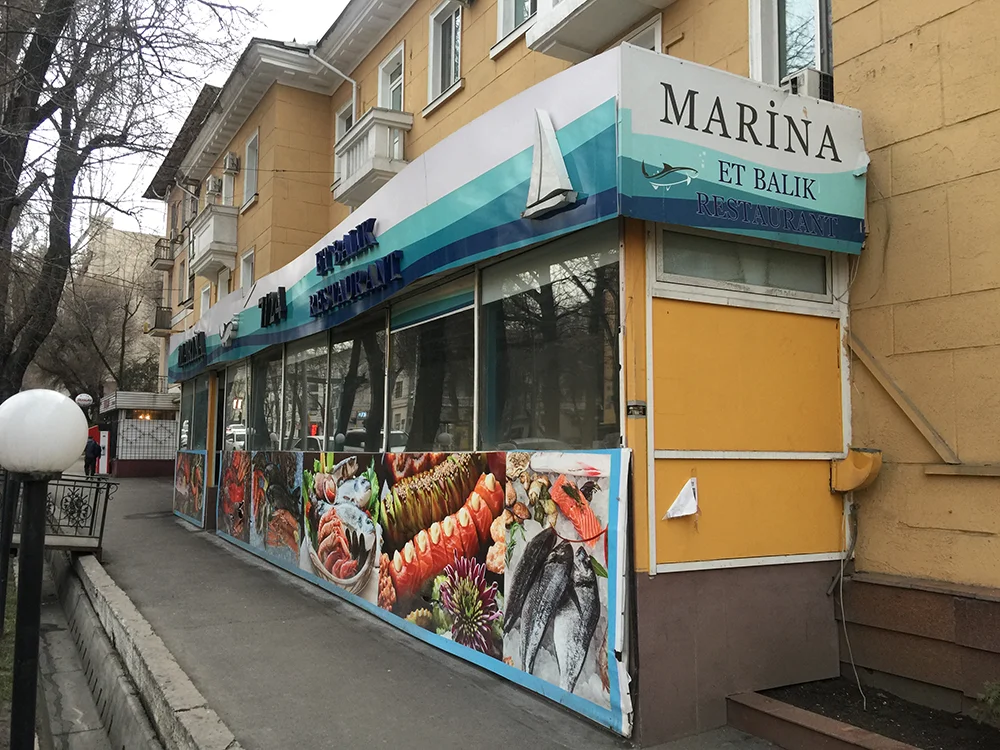
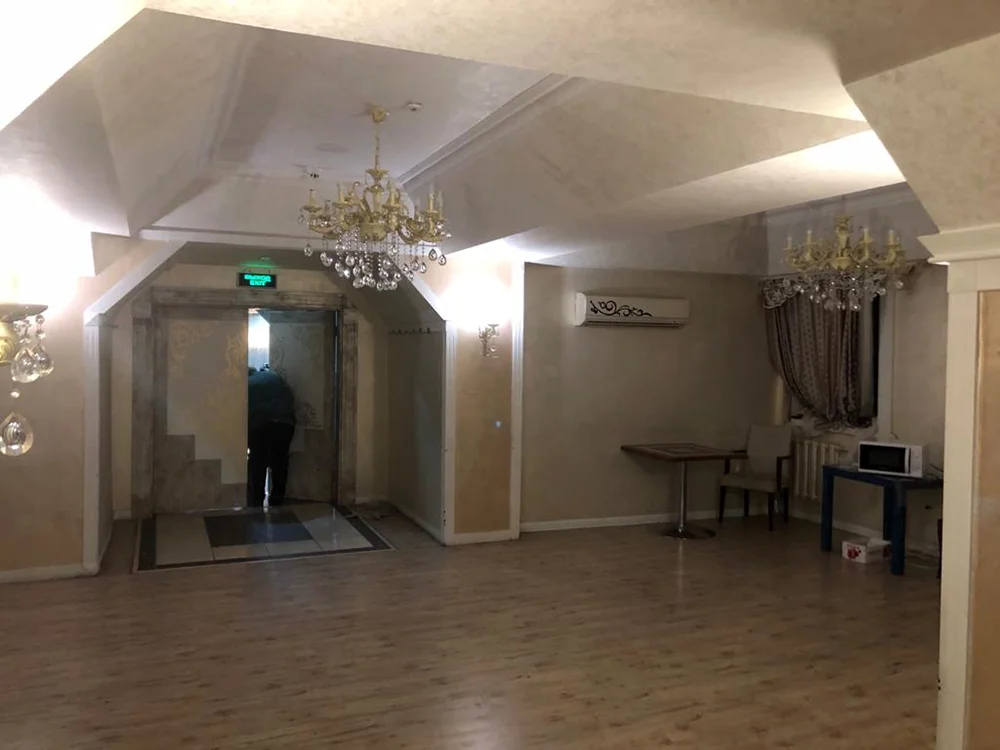
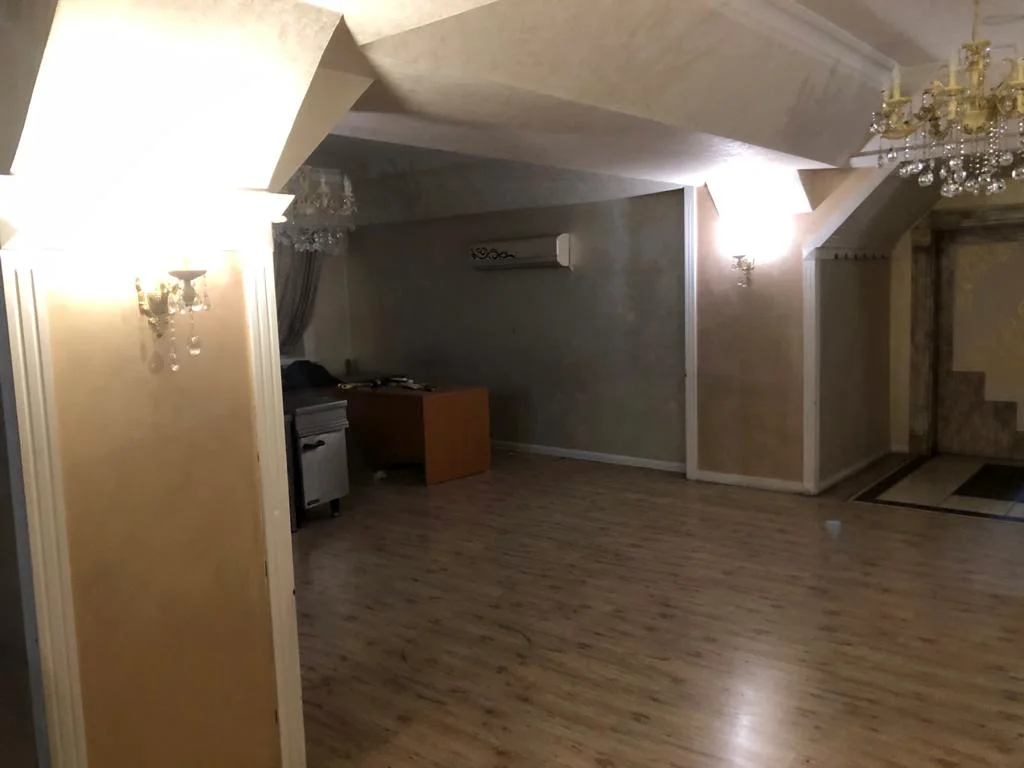
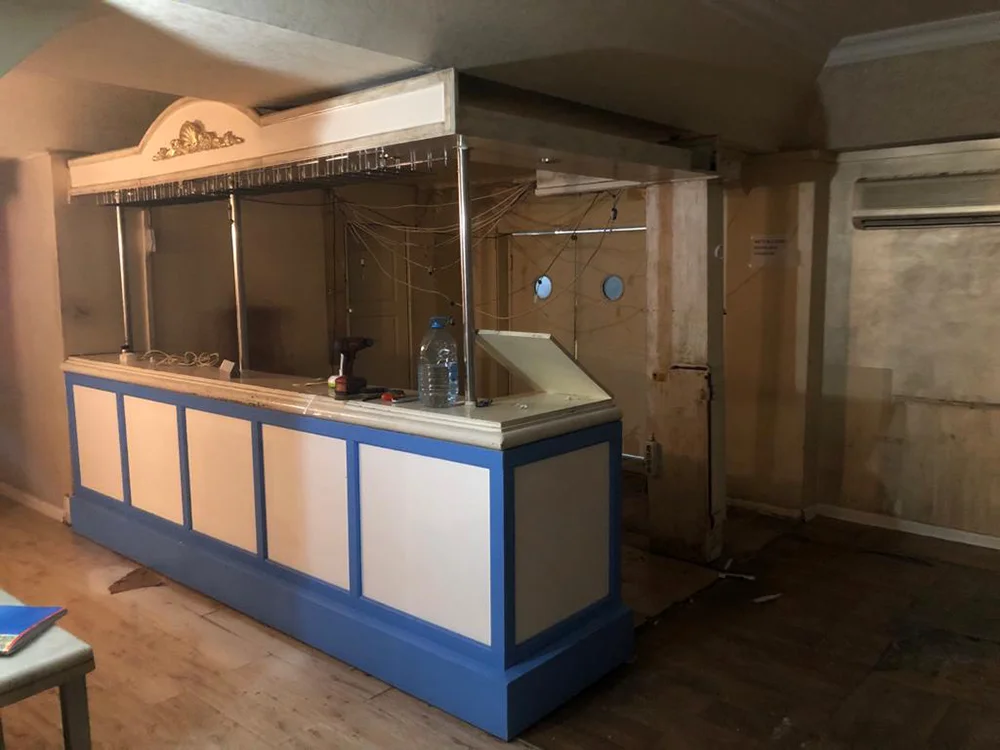
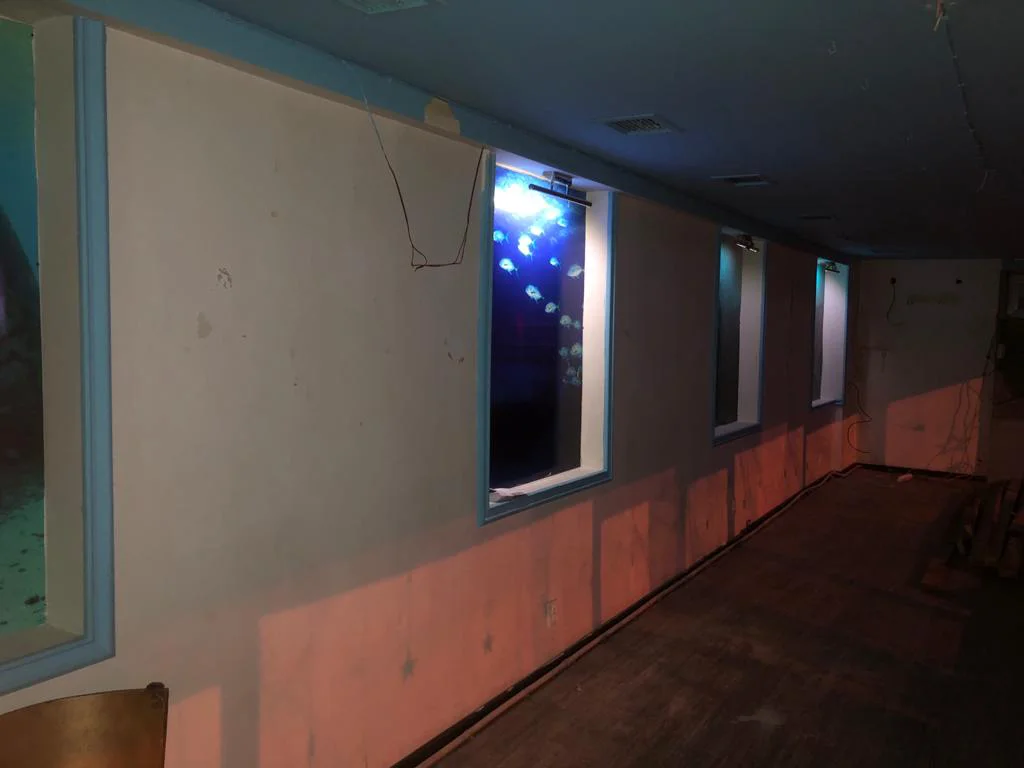
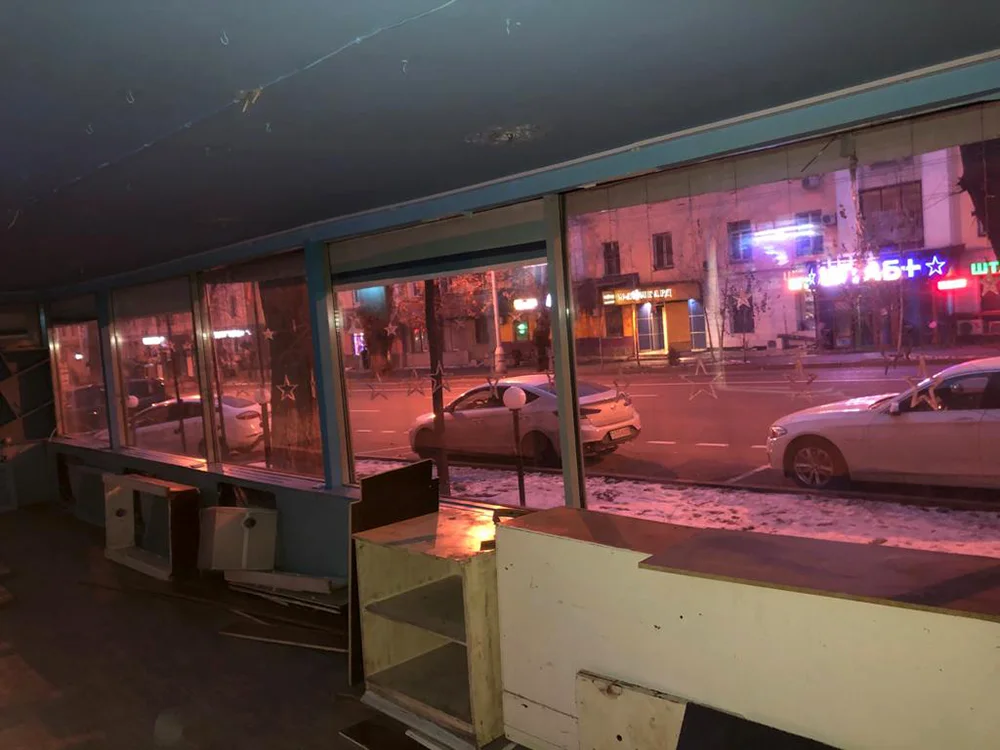
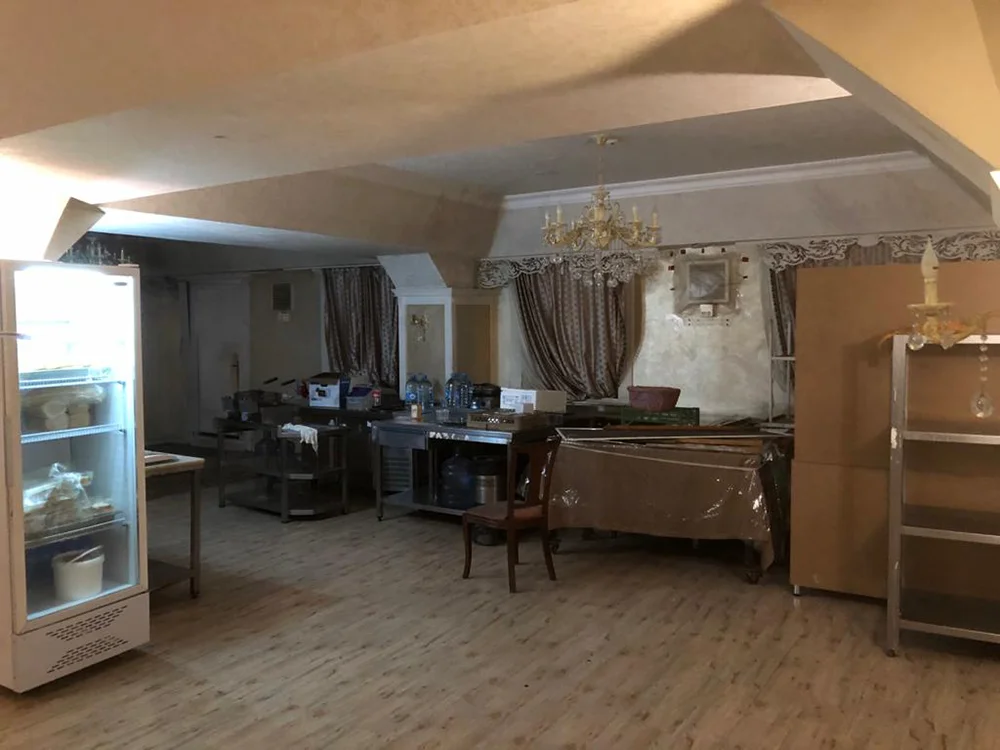
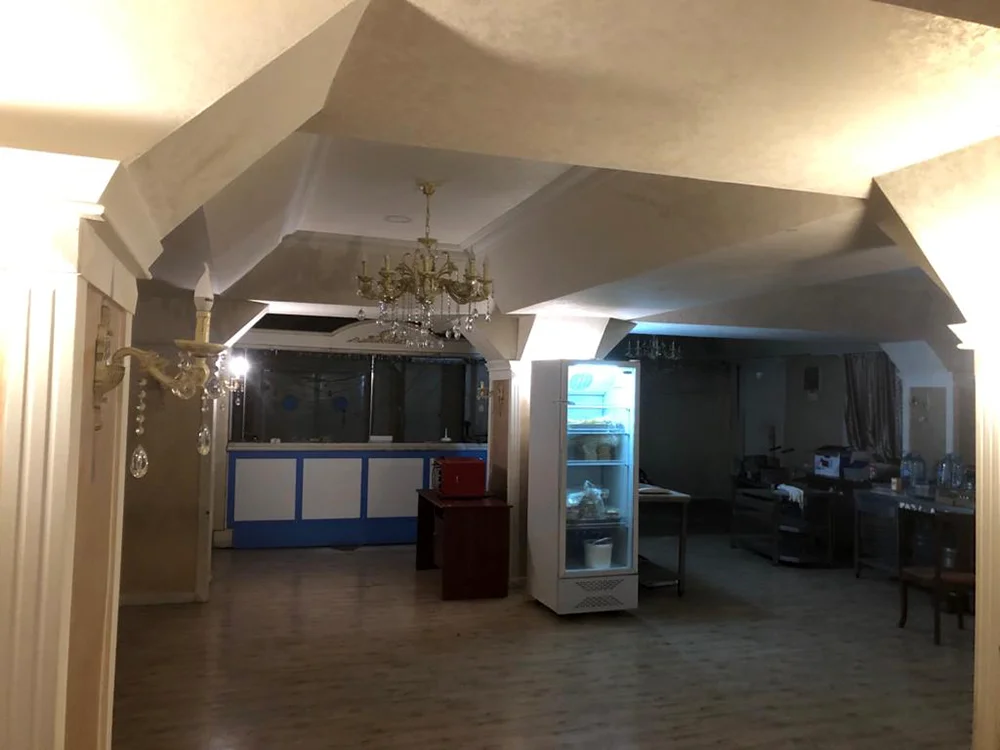
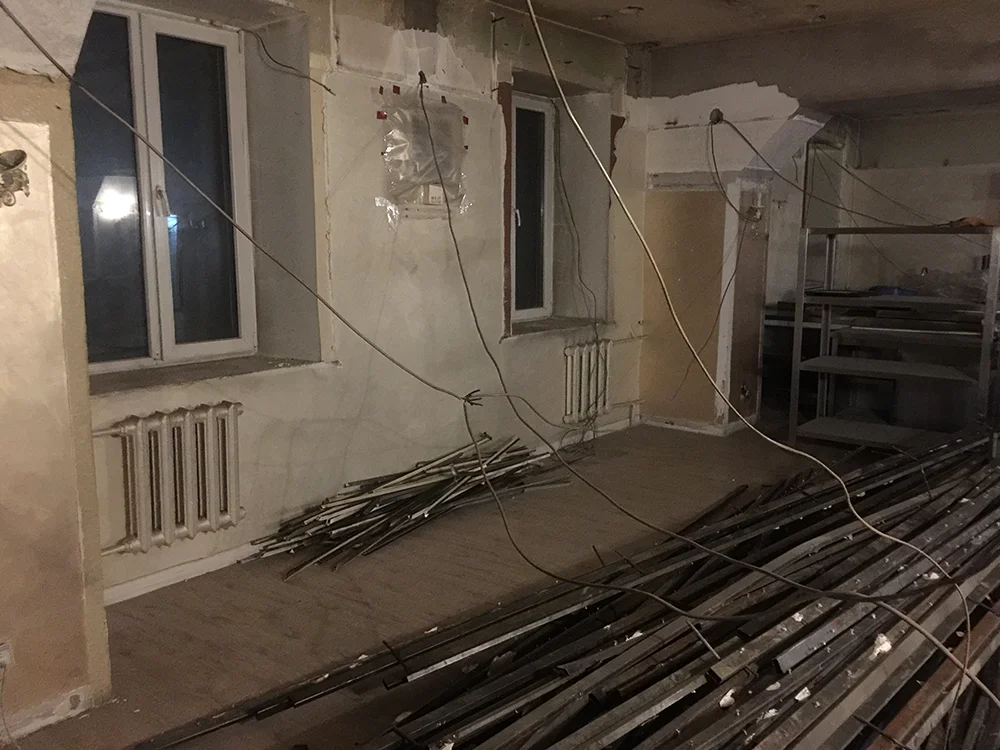
The ground-floor restaurant space of the Ambassador Hotel in Almatı was redesigned following a request by the new tenant, Levent Kantar, to transform the venue into a contemporary resto-bar. The existing space presented architectural constraints due to limited ceiling height caused by structural beams and column gussets, requiring a carefully considered spatial and technical design approach. The removal of existing gypsum beam enclosures allowed mechanical systems to be reconfigured while visually increasing ceiling clarity and spatial continuity.
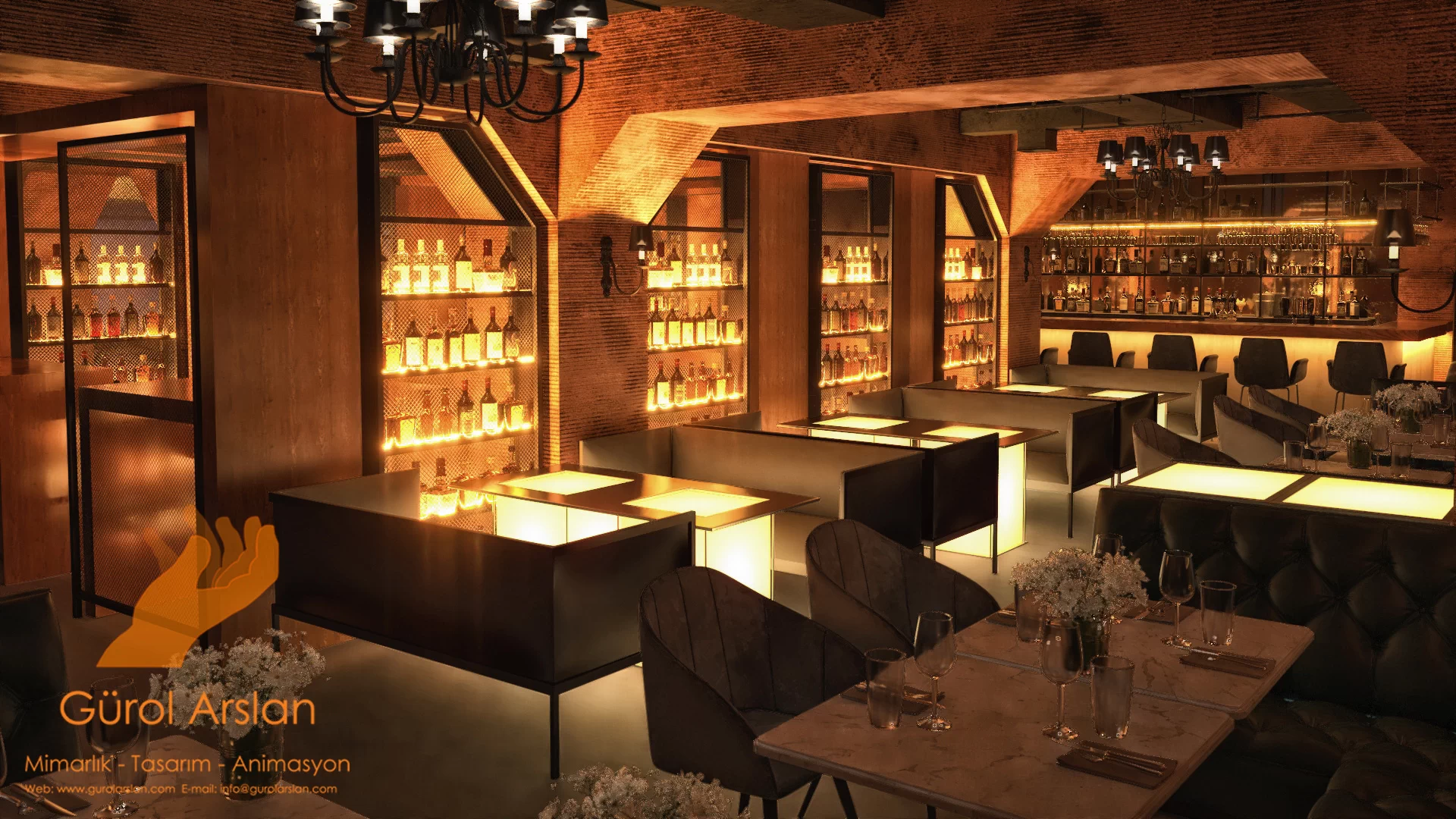
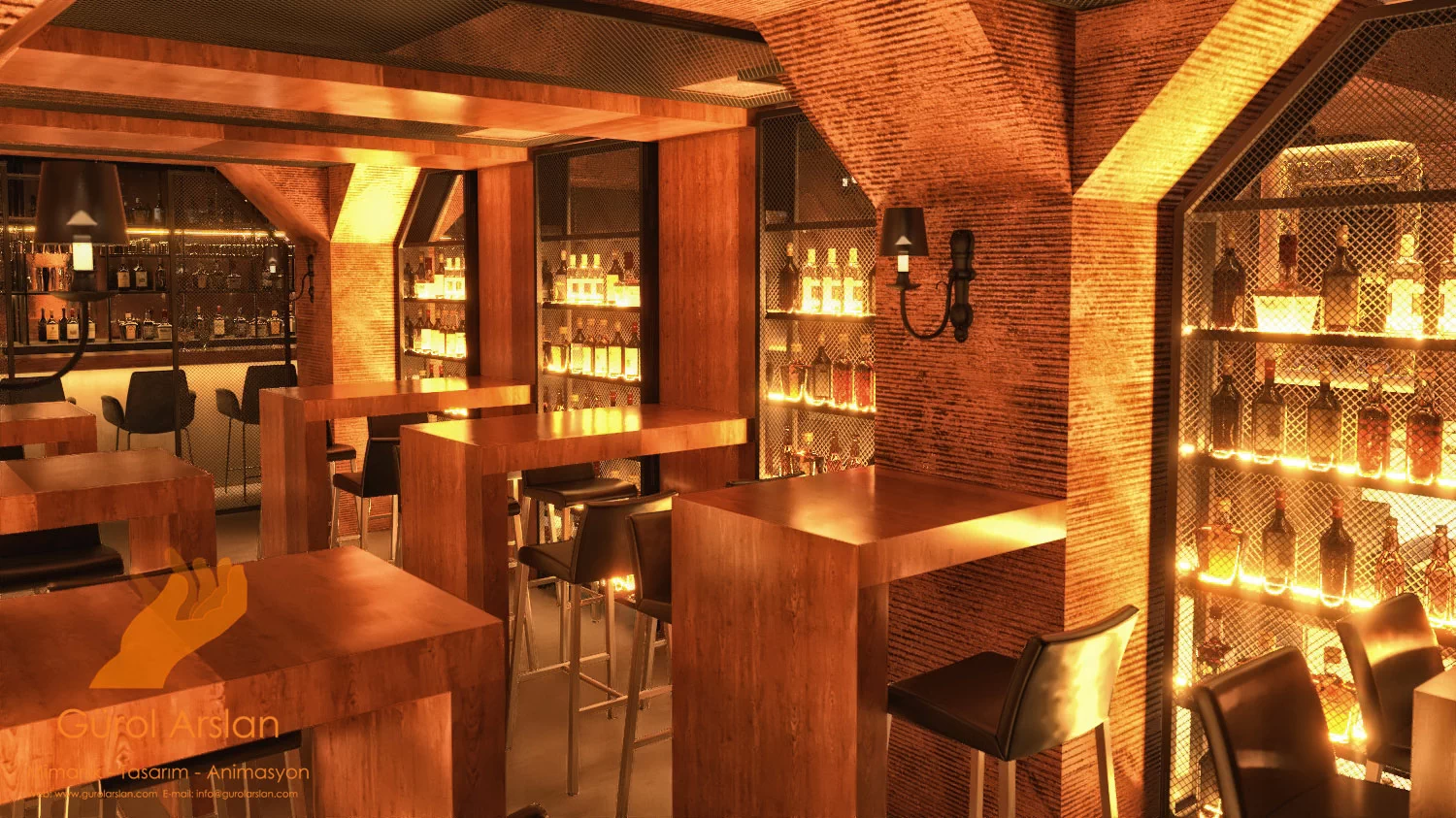
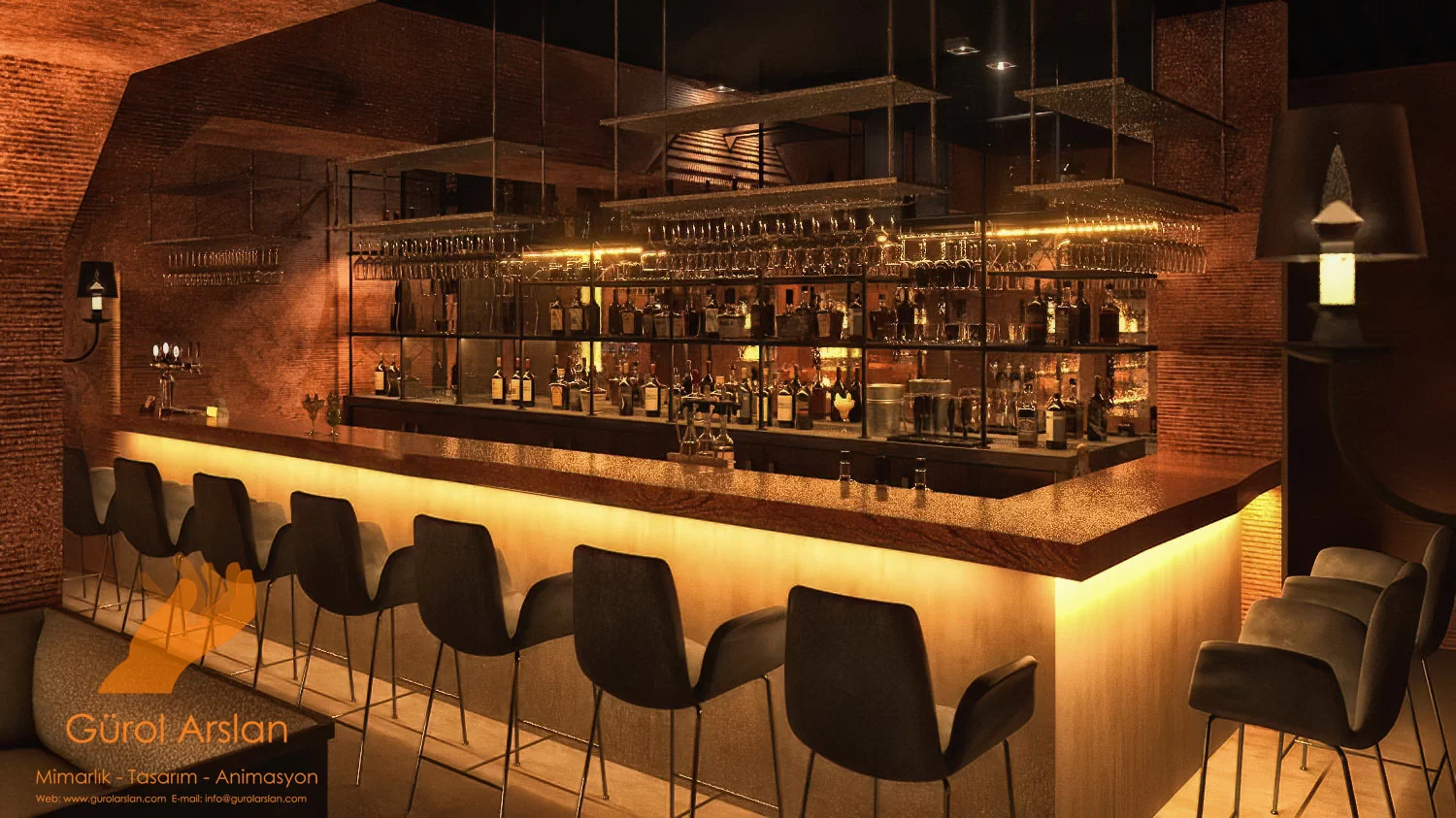
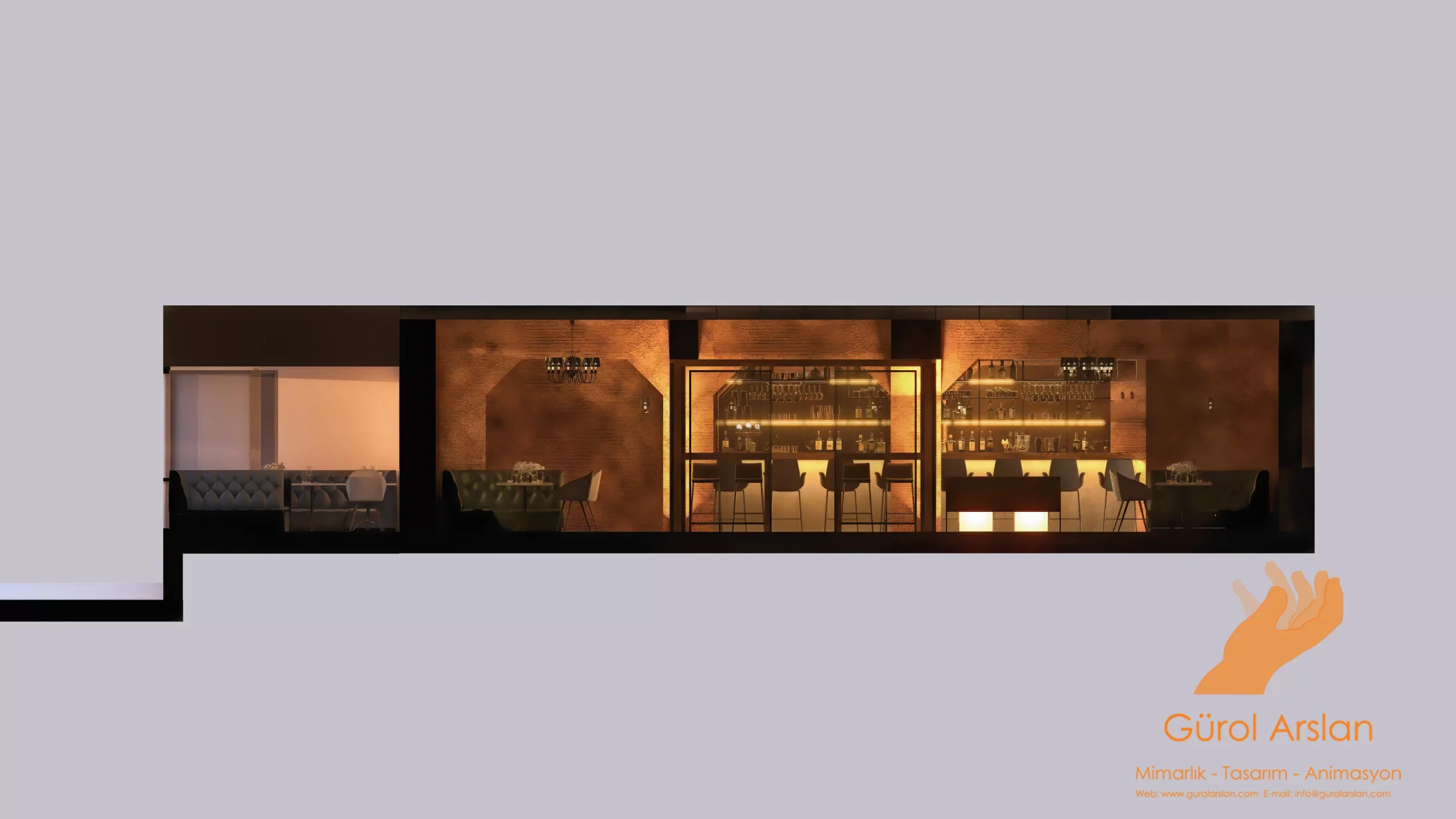
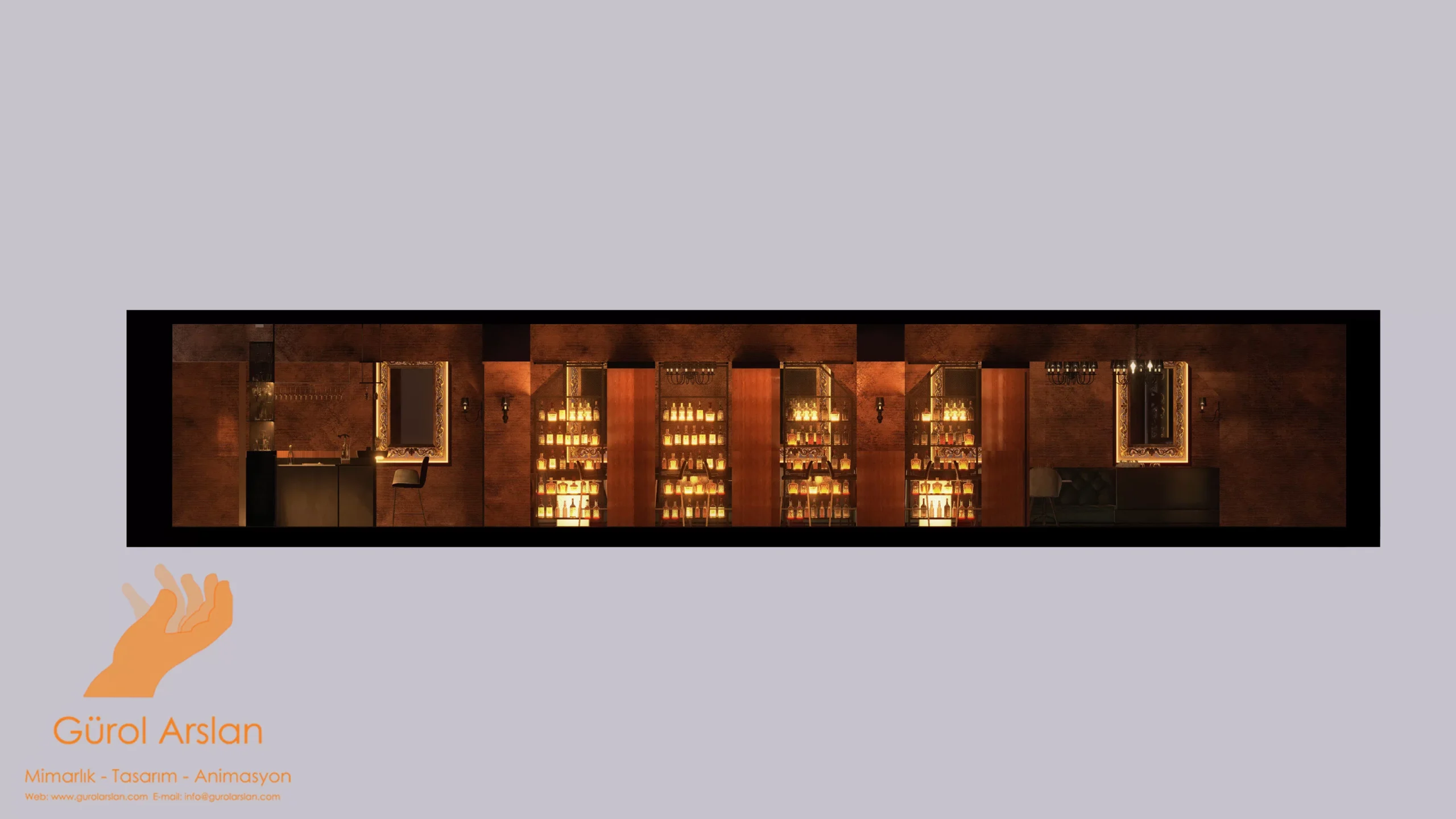
A mini-stage was positioned in one corner of the venue, and the seating layout was strategically organized to maximize visual connection to the stage from the majority of seating areas. The spatial identity is anchored by a central elevated bistro seating zone enclosed with perforated metal shelving units displaying beverages. This semi-isolated, cage-like structure creates a layered spatial experience and acts as the social core of the interior.
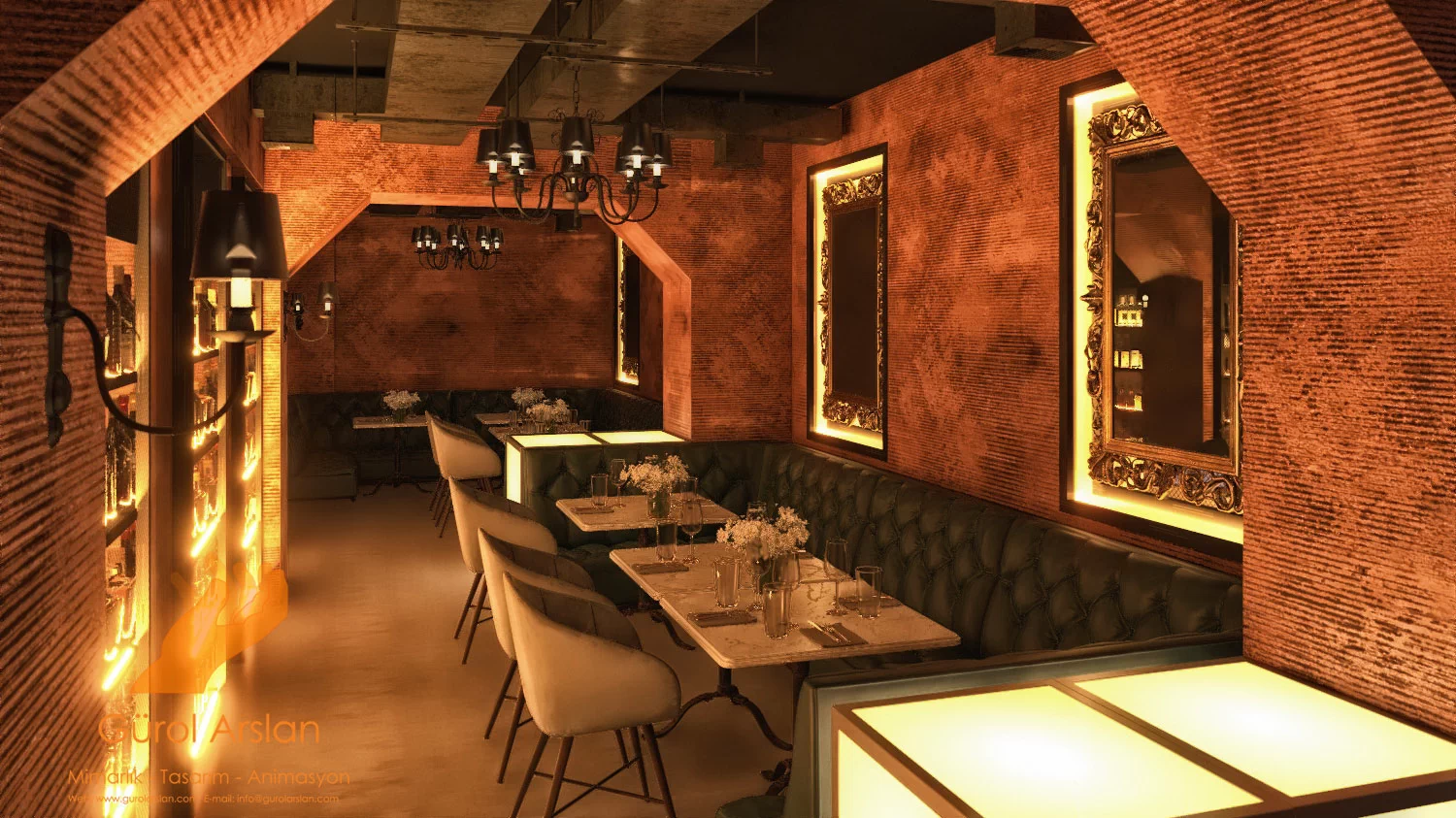
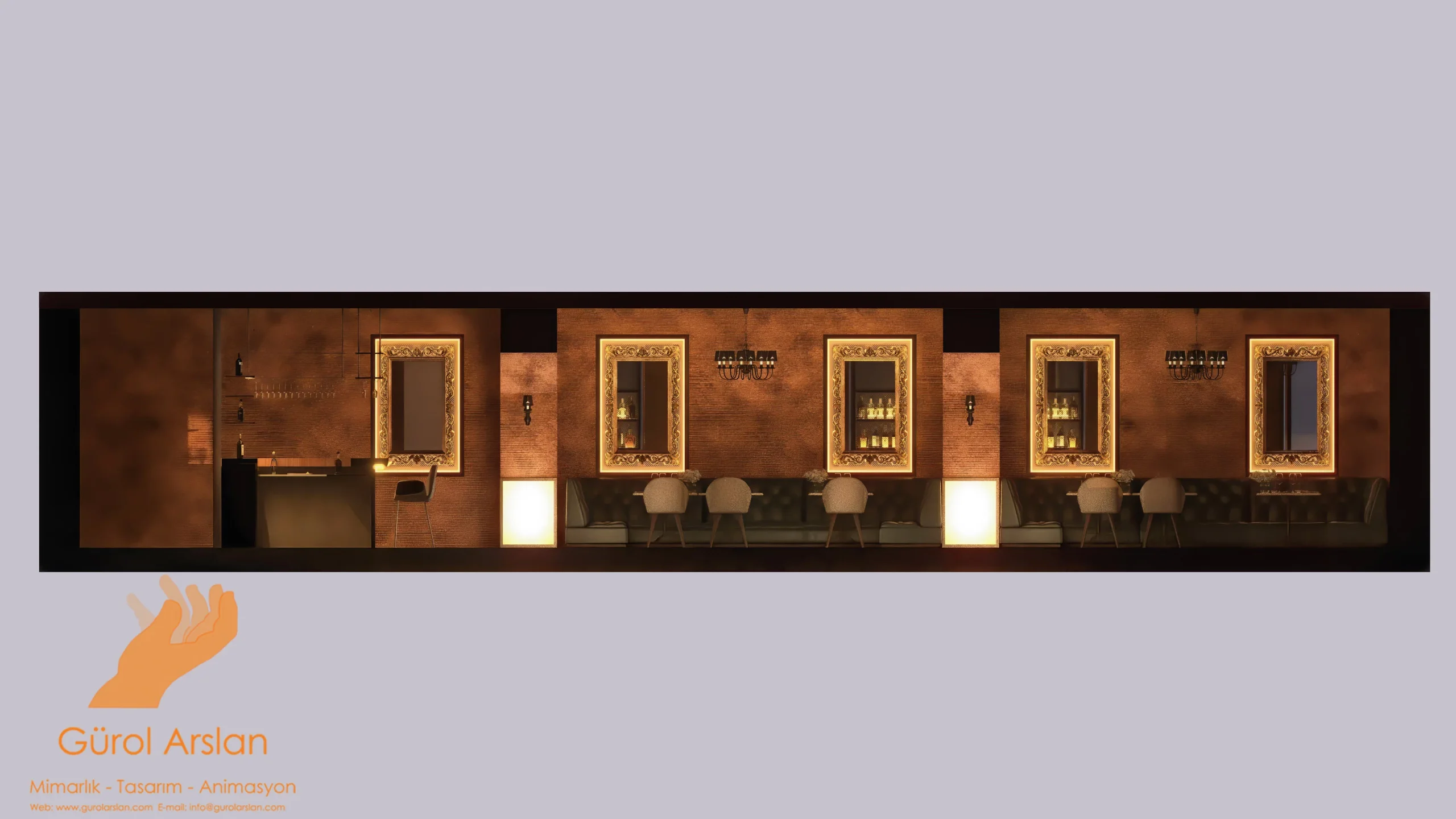
The material palette emphasizes an aged industrial character through corten/copper-toned finishes and exposed black ceilings integrating mechanical installations. In deliberate contrast to this raw and slightly rustic atmosphere, Gothic-inspired mirrors were introduced within window recesses to visually expand the space, while Gothic pendant lighting elements were suspended to add vertical elegance. These refined elements intentionally balance the rough industrial language, elevating the ambiance and introducing a subtle sense of sophistication.
Indirect lighting, softly illuminated tables, and controlled ambient light levels further reinforce an intimate yet distinguished atmosphere. The overall design transforms structural limitations into defining spatial elements, where industrial simplicity and refined gothic accents coexist to establish a distinctive resto-bar identity that balances comfort, social interaction, and visual character—resulting in a space where contrast becomes the primary design language, redefining the venue through atmosphere rather than ornament.
♦ Existing space analysis and evaluation of structural and technical constraints ♦ Interior concept development and spatial transformation strategy ♦ Functional zoning and seating layout planning ♦ Central bar and elevated bistro seating design as the social core of the space ♦ Material, color, and lighting concept development ♦ Interior layout design, furniture selection, and architectural visualization